Article · 29 October 2026 · generalvalue.eu
The forest nobody manages
What I learned running Portugal's first public forestry company, and why General Value treats land, health and financing as one piece of work.
I have spent most of my working life dealing with Portuguese land, in the region where I was born and lived until I was 36. That region, the Pinhal Interior, has lived from livestock and forestry for as long as anyone can remember. It was here, and with the people who were born here and live from the land, that I began my working life: as a teacher, on local projects in land administration, organization and planning, as a consultant and leader of local development projects and, more recently, at the head of my country's first public forestry company.
As a Member of Parliament elected by my region, as Civil Governor of Leiria and later as Secretary of State for Internal Affairs and Civil Protection, I saw fire from the side of the people who fight it and the families who live with what it leaves behind. Year after year, the underlying cause stays the same: people leave, the ones who stay grow old, and so the land goes unmanaged.
In 2018 I became the first President and CEO of FlorestGal, Portugal's first public forestry company, based in Figueiró dos Vinhos, at the heart of the area that burned so badly in June 2017. In my time there we worked in more than 25 municipalities, managed about 15,000 hectares, and started recovery projects on some 3,000 hectares burned in 2017.
I learned what works, and how far there still is to go.
The problem is not a shortage of forest, or of money. More than 85 percent of Portugal's forest is privately owned, split among hundreds of thousands of owners. In the center and north, many plots are smaller than a hectare. Many owners are elderly, some have moved to Lisbon or abroad, and most no longer know exactly where their land is or where its boundaries run.
Nobody can manage forest plots that can't be put together into holdings big enough to pay their way. So the land is abandoned, and nature, which never tires, takes it over. Scrub, brush and invasive species pile up year after year into the ideal fuel for a country with our climate, until a hotter, drier spell sets the scene for fire and tragedy.
On paper, the State has done its part. The law requires owners to keep strips around houses, villages and roads clear of fuel, and municipalities can step in for owners who don't and bill them for the work. The forest services are supposed to manage the large fuel breaks that break up the forest and limit how far a fire can run. There are European and national funds for replanting, fire prevention and reorganizing the landscape. What is missing is the operator in the middle: someone who brings neighboring owners together, draws up the management plan, finds the funding, does the work on the ground, and keeps doing it every year.
That is the work I lead at General Value: managing a forest from every side at once.
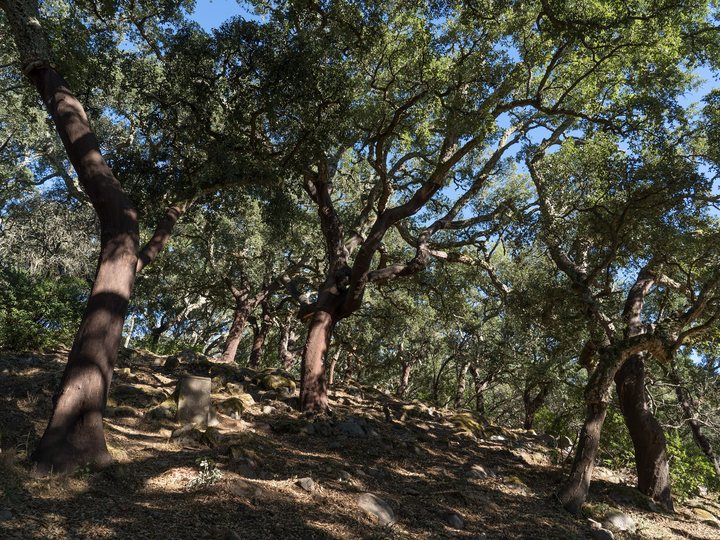
A well-managed forest pays in several ways at once. Cork from the cork oak, stripped every nine years for up to two centuries. Chestnuts, pine nuts and resin. Grazing that keeps the scrub down and gives shepherds a living. Timber, carbon, and the cleared fuel breaks that protect villages, homes and the forest stands themselves. None of these on its own makes a forest profitable. Added together on the same holding, under one management, they can make it a source of wealth again, as it was not so long ago.
That work has to be financed properly, which is why ours begins with what I call strategic consulting: looking at every side of a project at once.
For a landowner, an association, a cooperative, a municipality or an investment fund, that means the management model, the financing plan, the European and national funds the project can apply for, and due diligence on forest assets that already exist. We work in different ways depending on the case: a short review before a decision, a full plan, or as partners in the project itself.
My experience has taught me that you cannot solve the problem of putting land together without a plan for financing it. For new kinds of forest projects, that matters more than traditional forestry does, even forestry done to the best standards. Forestry adds fairly little value, and most of what it adds leaves the region. We produce the wealth, then let it go elsewhere. I often say our forest regions are surrogate mothers for industries that leave little behind for the people who live there.
There is a second reason General Value brings forests and longevity projects together in one firm.
My partner Stephen Watson wrote in our first article about what a small town in central Portugal did for his health. The places where people live longest have healthy land around them: shade, clean water, food grown nearby, paths to walk and neighbors to spend time with. A managed forest is that kind of place, a real community.
An abandoned forest empties villages, sharply raises the risk of fire, creates a serious ecological problem and wastes wealth we cannot afford to lose.
Our motto puts it in three words: longevity, forest wealth, health.
So when we look at a longevity resort or a community for a quiet retirement, we look at the forest and the land around it too. And when we look at a forest property, we ask whether it could also carry a retreat, trails for walking, or a reason for young families to settle and find new work and new uses for places like these, which nature has handed us and where a good life is the norm. If we know how to use them.
If you own forest land, manage it for others, or run a municipality, association or cooperative with forest it has to keep safe and wants to make pay, we can help. Portugal's interior can be a good place to invest, to live and to grow old well.
For that, its forests need managing: in a modern way, but with the same care, thrift and purpose our ancestors brought to them for centuries, and did well.
That is central to General Value's strategy and to everything it does.
Source
First published on generalvalue.eu, 29 October 2026.
Continue reading
Longevity · Article
Longevity medicine, sustainable forests and the places we live
About 5 min read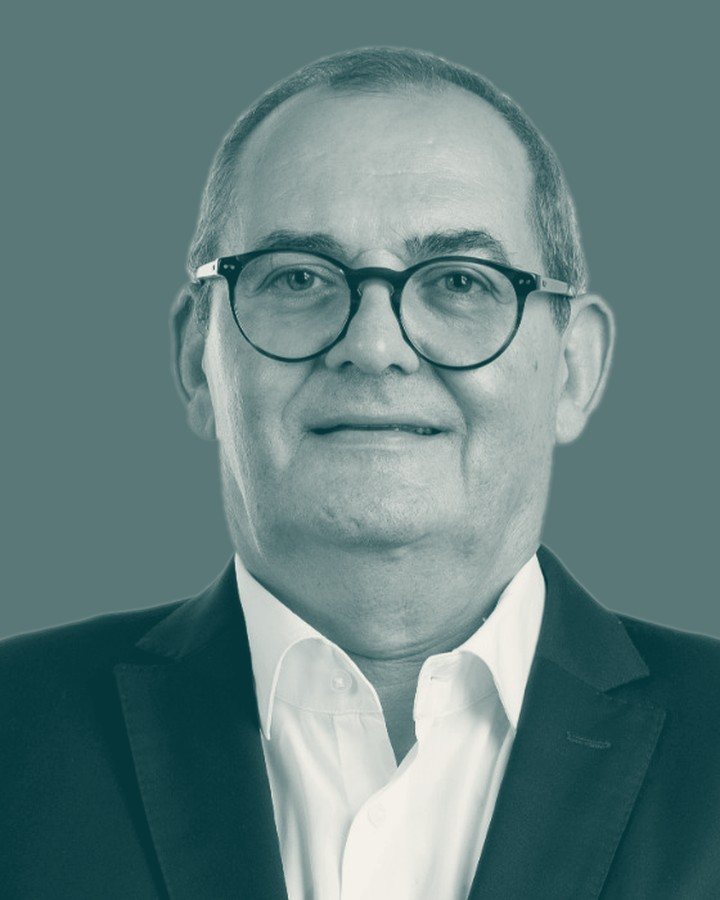
About the author
José Miguel Medeiros
Partner & Chairman
Institutional strategy, public affairs and forestry project structuring.