Article · 29 October 2026 · generalvalue.eu
Longevity medicine, sustainable forests and the places we live
What a small Portuguese village did for my health, and why General Value treats longevity, sustainability and forestry as one piece of work.
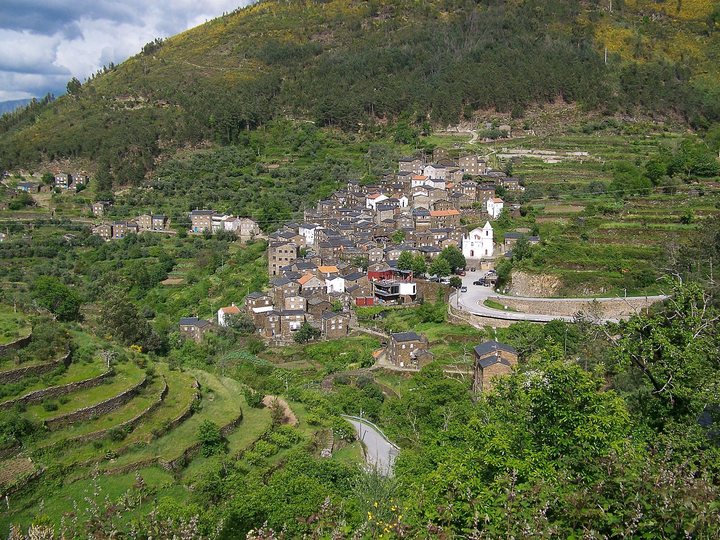
I have spent more than 25 years in longevity medicine, and the best result I have seen is my own.
When I moved to a small village in central Portugal, I brought with me the medical issues that years of travel and pressure leave behind, and the medication that came with them. Today I take no medication at all, and my stress is lower than it has been in decades. None of that came from a clinic. It came from the place. I walk everywhere. I eat what the farms around me grow. The air is clean, and my neighbors notice when they have not seen me for a day. In a sense I became the first test case for the argument in this piece.
My career did not prepare me to expect this. I built and ran the Miami Institute for Age Management and Intervention inside the Four Seasons Miami from 2001 to 2014. We saw more than 35,000 patients, opened clinics in Dubai, New York and Grand Cayman, and sold the practice to members of the Abu Dhabi royal family. I led the planning of the 220,000 square foot Blue Zones Center at Miami Worldcenter with Adventist Health, served as interim CEO of Founders Health in London, and chair the Global Wellness Institute's Lifestyle Medicine Initiative. Alongside the medicine, I planned special economic zones with the IFC and the World Bank, including Afghanistan's first network of knowledge-based zones. That work taught me how a place can be designed to change the lives of the people in it.
The clinical tools work. But a clinic sees a person for an hour at a time. The place where they live works on them every hour of every day.
That is the lesson of the Blue Zones, the handful of regions where people routinely reach 100. Nobody there is on a protocol. They walk because the village is built for walking. They eat what the land around them grows. They breathe clean air, and they have a reason to get up in the morning that involves other people. Their long lives belong to the place as much as to the person.
The evidence outside the Blue Zones points the same way. A 2019 review in The Lancet Planetary Health, covering more than eight million people in seven countries, found that more green space around the home was linked to fewer early deaths. Heat runs the other way. A study published in Nature Medicine in September 2025 estimated 62,775 heat-related deaths in Europe in the summer of 2024, and more than 181,000 across the three summers from 2022, with older people hit hardest.
So longevity is also a question of sustainability: whether the land around us is kept healthy enough to keep us healthy.
Portugal makes the point in the hardest way. In 2017 wildfires burned about half a million hectares and killed more than 100 people, many of them older residents of interior villages like mine. Those fires were a failure of forest management and a public health event at the same time. More than 85 percent of Portugal's forest is privately owned, spread across hundreds of thousands of owners, many of them elderly and many of them living far away. Land that nobody manages becomes fuel. The villages around it empty out, and the people who stay grow old with fewer services and more risk.
Managed sustainably, the same land does the opposite. It holds water and soil, cools the air, cuts the fuel load, and earns an income from cork, pine, chestnut, resin and grazing year after year. It keeps work in the interior, and work keeps people there. It also becomes the kind of setting where longevity communities, wellness hotels and good places to retire can be built with a clear conscience.
That is why General Value works on longevity and on sustainability and forestry, and why we treat them as one piece of work. I lead our longevity practice: clinics, hotels and residential projects where a medical program has to pay its way. My partner José Miguel Medeiros was the first President and CEO of FlorestGal, Portugal's first public forestry company, and served as Secretary of State for Internal Affairs and Civil Protection. He leads our sustainability and forestry practice. What joins the two is sustainability in its plainest sense: land managed so it stays productive, safe and livable for the people around it, for decades. A longevity project on land that burns, dries out or empties of people will not last, and a forest with nobody living near it has lost half its value.
In practice, this changes the questions we ask on a project. For a longevity resort, we look past the treatment rooms to the fire risk on the hillside behind it, the water supply, the summer heat, and whether a guest can walk to anything. For a forest property, we ask who lives nearby, what they need, and whether the land could carry something more than timber, from a retreat for guests to the trails and shade that make a town a good place to grow old.
Both practices rest on the same base, which José calls strategic consulting: looking at every side of a project at once, the money included. That means the financing plan and the financial management once the project is running, access to European and international funds, and due diligence on projects that already exist, for an owner deciding whether to buy, rescue or fund one. Our CFO, Amândio Costa, leads the financial planning and modeling. The funding question often decides a project before the design does, and it is usually the first thing a client asks us to answer.
This piece is also the first on our new website, generalvalue.eu, where we will publish what we learn from our longevity, sustainability and forestry work, in English and Portuguese, along with the research we think matters. If you own land or are planning a place where people will live longer, I would like to hear what you are working on.
Sources
First published on generalvalue.eu, 29 October 2026.
Continue reading
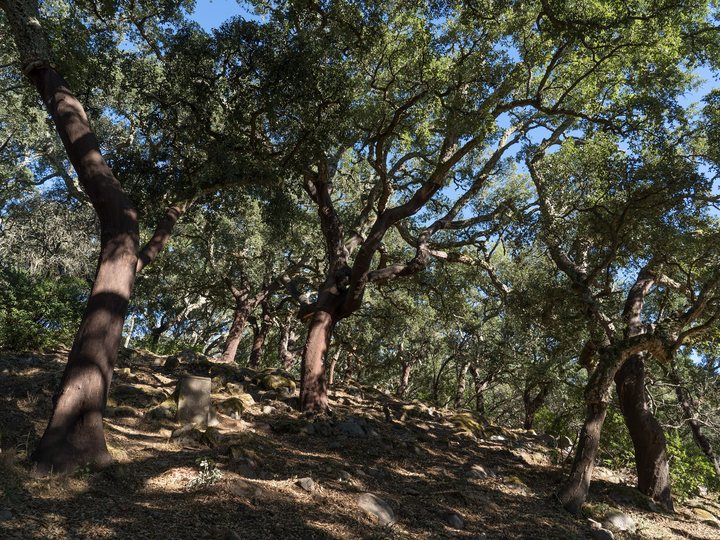
Sustainability and forestry · Article
The forest nobody manages
About 6 min read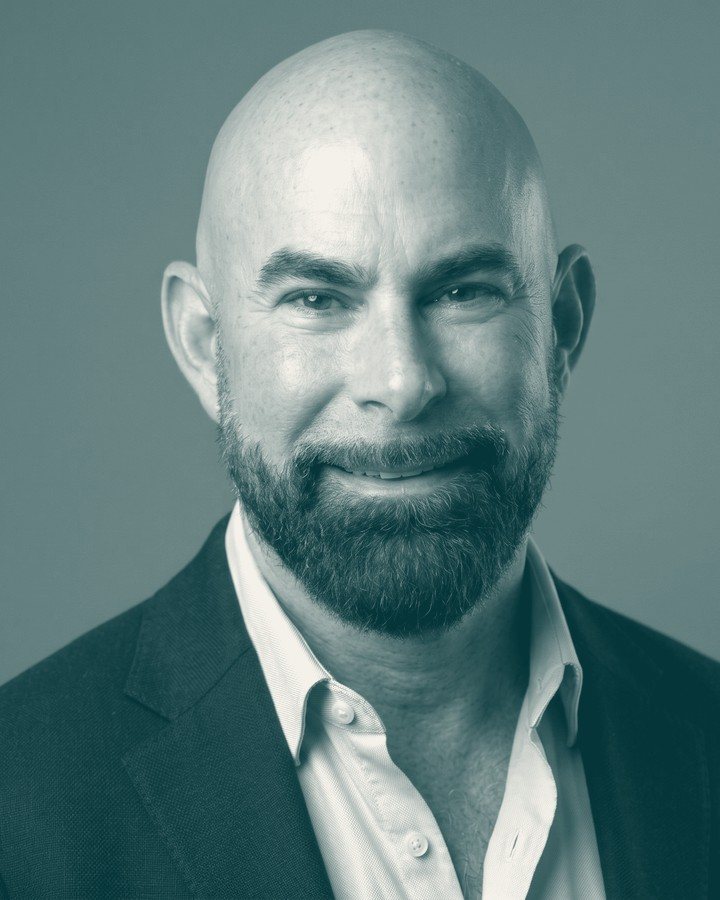
About the author
Stephen Watson
Partner & Chief Executive Officer
Longevity destinations, clinical operating models, health real estate and zone planning.